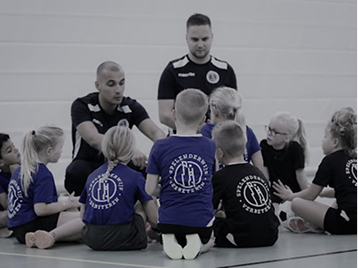
Athletic performance is not built overnight. It requires consistent training, proper technique, discipline, recovery, and a well-structured approach. Whether you are a professional athlete, a young player, or someone who simply wants to improve their physical abilities, sports training can play an important role in reaching your goals.
A structured training program helps athletes develop the physical and mental qualities needed to perform at their best. From improving strength and speed to developing endurance, agility, coordination, and confidence, the right training approach can make a significant difference.
What Is Sports Training?
Sports training is a planned and systematic approach to improving physical performance for a particular sport or activity. It combines different forms of exercise and training techniques to help athletes develop the skills and physical qualities required for their sport.
A good sports training program may include:
- Strength training
- Speed and agility training
- Endurance training
- Flexibility and mobility exercises
- Balance and coordination drills
- Sport-specific skill development
- Recovery and conditioning
The goal is not simply to train harder. It is to train smarter and consistently.
1. Improves Strength and Power
Strength is an important component of athletic performance. Stronger muscles allow athletes to generate more force and perform movements more efficiently.
Strength training can help athletes improve:
- Muscle strength
- Explosive power
- Stability
- Balance
- Movement control
For sports that require jumping, sprinting, throwing, tackling, or rapid changes in direction, developing strength and power can provide a significant performance advantage.
2. Increases Speed and Agility
Speed and agility are essential in many sports. Athletes often need to accelerate quickly, change direction, react to opponents, or reach a specific position in a short amount of time.
Sports training can include sprint drills, ladder exercises, cone drills, reaction exercises, and change-of-direction movements to improve these abilities.
Regular agility training can help athletes become faster, more responsive, and more efficient in their movements.
3. Builds Better Endurance
Endurance allows athletes to maintain their performance over longer periods of time.
Depending on the sport, endurance training may include running, cycling, interval training, circuit workouts, or sport-specific conditioning exercises.
Improved endurance can help athletes:
- Maintain energy levels
- Delay fatigue
- Recover faster between efforts
- Perform consistently throughout a game or competition
4. Enhances Coordination and Movement
Good athletic performance requires more than strength and speed. Athletes also need control over their bodies.
Coordination training helps athletes improve the way different muscles and movements work together. This can lead to better technique, balance, reaction time, and overall movement efficiency.
For young athletes especially, developing coordination can create a strong foundation for future sports development.
5. Helps Reduce the Risk of Injury
A well-designed training program can help athletes prepare their bodies for the demands of their sport.
Strengthening muscles, improving mobility, developing balance, and practicing correct movement patterns can support better body control during training and competition.
However, injury prevention also depends on factors such as proper technique, appropriate training loads, recovery, nutrition, and adequate rest.
6. Develops Mental Strength
Sports training is not only about physical development. It can also develop important mental qualities.
Consistent training teaches athletes discipline, patience, focus, resilience, and goal-setting. Learning to stay committed when progress is slow can help athletes develop the mindset needed to handle competition and challenges.
7. Supports Long-Term Athletic Development
One of the biggest advantages of structured sports training is that it focuses on long-term improvement rather than short-term results.
Athletes can gradually increase training intensity, develop new skills, improve physical qualities, and track their progress over time.
A long-term approach can help athletes build sustainable performance while reducing the risk of overtraining.
The Importance of Recovery
Training is only one part of athletic development. Recovery is equally important.
Rest days, quality sleep, hydration, proper nutrition, stretching, and mobility work can help the body recover between training sessions.
Without adequate recovery, excessive training can lead to fatigue, reduced performance, and an increased risk of injury.
Final Thoughts
Sports training provides athletes with the structure and consistency needed to improve their performance. By combining strength, speed, endurance, agility, mobility, skill development, and recovery, athletes can build a stronger foundation for success.
The key is to create a training program that matches the athlete’s age, experience, sport, goals, and current fitness level.
Train consistently, recover properly, and focus on continuous improvement.